ANACO CREATIVE
ANACO CREATIVE
What a Brand Identity Includes Beyond a Logo
What a Brand Identity Includes Beyond a Logo
A practical breakdown of the elements that turn a logo into a usable brand identity across websites, social media, print and marketing materials.
A practical breakdown of the elements that turn a logo into a usable brand identity across websites, social media, print and marketing materials.

A logo is one part of the system
A logo is one part of the system
A logo is one part of the system
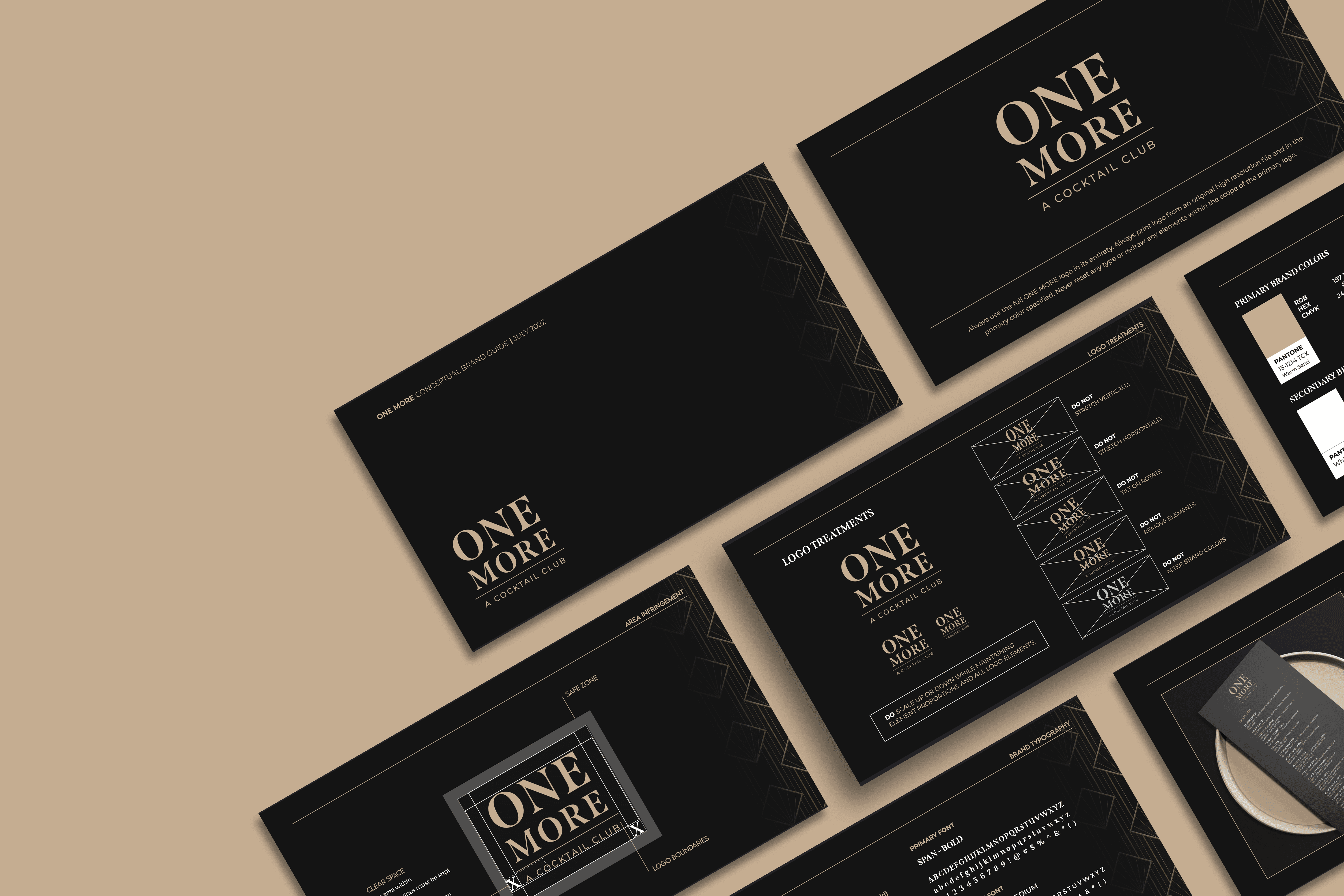
A logo is often the most visible part of a brand identity, but it is not the whole system. It gives a business a recognizable mark, while the identity around it creates consistency across the places customers actually encounter the brand: websites, social profiles, menus, proposals, packaging, signage, presentations and more.
When a business has only a logo, every new asset can become a fresh design decision. A complete identity gives the team a clearer set of choices. It helps people create materials that feel connected without making every piece look identical.
Logo variations and supporting marks
Most businesses need more than one way to use their logo. A primary lockup may work well on a website header, while a stacked version, wordmark, icon or simplified mark may work better in a small profile image, print piece or narrow space.
Supporting marks can extend recognition without replacing the primary logo. The important part is knowing which version belongs in which situation and keeping the relationship between the marks clear.
Typography and color systems
Typography and color create much of the feeling people associate with a brand. An identity should clarify which typefaces support headings, body copy, labels and other common uses. It should also define a practical color system with primary colors, supporting colors, contrast guidance and examples of how combinations should be used.
The goal is not to create rules for the sake of rules. It is to help a business make faster, more consistent decisions across digital and print materials.
A logo is often the most visible part of a brand identity, but it is not the whole system. It gives a business a recognizable mark, while the identity around it creates consistency across the places customers actually encounter the brand: websites, social profiles, menus, proposals, packaging, signage, presentations and more.
When a business has only a logo, every new asset can become a fresh design decision. A complete identity gives the team a clearer set of choices. It helps people create materials that feel connected without making every piece look identical.
Logo variations and supporting marks
Most businesses need more than one way to use their logo. A primary lockup may work well on a website header, while a stacked version, wordmark, icon or simplified mark may work better in a small profile image, print piece or narrow space.
Supporting marks can extend recognition without replacing the primary logo. The important part is knowing which version belongs in which situation and keeping the relationship between the marks clear.
Typography and color systems
Typography and color create much of the feeling people associate with a brand. An identity should clarify which typefaces support headings, body copy, labels and other common uses. It should also define a practical color system with primary colors, supporting colors, contrast guidance and examples of how combinations should be used.
The goal is not to create rules for the sake of rules. It is to help a business make faster, more consistent decisions across digital and print materials.


Build the pieces your team will use
Build the pieces your team will use
Build the pieces your team will use
Photography and visual direction
A brand identity can guide how photography, illustration, texture and other visual elements should feel. Should the work be bright and direct, quiet and editorial, people-focused, detail-oriented or built around a particular sense of place? The answer should connect to the business and the audience, not to a trend.
Visual direction is especially useful when multiple people create content. It gives a team a shared reference for light, composition, subject matter, editing and image selection. That makes future work easier to evaluate and easier to keep consistent.
Print and digital applications
A brand identity becomes useful when it is applied to the materials a business uses every day.
Applications also reveal gaps in the system. A logo that looks good on a desktop mockup may need a different lockup for a small sign or a stronger contrast option for a dark background.
Website and social profile use
Printed cards, menus or collateral
Presentation and proposal templates
Signage, packaging or environmental applications
Campaign and content templates
Photography and visual direction
A brand identity can guide how photography, illustration, texture and other visual elements should feel. Should the work be bright and direct, quiet and editorial, people-focused, detail-oriented or built around a particular sense of place? The answer should connect to the business and the audience, not to a trend.
Visual direction is especially useful when multiple people create content. It gives a team a shared reference for light, composition, subject matter, editing and image selection. That makes future work easier to evaluate and easier to keep consistent.
Print and digital applications
A brand identity becomes useful when it is applied to the materials a business uses every day.
Applications also reveal gaps in the system. A logo that looks good on a desktop mockup may need a different lockup for a small sign or a stronger contrast option for a dark background.
Website and social profile use
Printed cards, menus or collateral
Presentation and proposal templates
Signage, packaging or environmental applications
Campaign and content templates

When a complete identity makes sense
When a complete identity makes sense
When a complete identity makes sense
Social media and marketing templates
Templates can turn an identity into a working tool. They give a team a repeatable starting point for announcements, promotions, educational posts, event materials and other recurring needs. Good templates leave enough structure to protect the brand while allowing the content to change.
Choose templates based on how the team works. A small business may need a few social formats and a proposal cover. A larger marketing team may need a broader set of layouts, file types and usage notes. The goal is to create something people will actually use, not a large library that sits untouched.
Brand guidelines and final file delivery
Guidelines explain how the identity works when the original designer is not in the room. They can cover logo spacing, minimum size, color use, type hierarchy, imagery, applications and examples of what to avoid. Keep them clear enough for everyday decisions and specific enough to prevent common mistakes.
Final delivery should include organized, usable files in the formats the team needs. Confirm which files are intended for print, digital use, editing or handoff to outside vendors. A clean file structure is part of the experience of receiving an identity.
A complete identity also gives outside partners a clearer starting point. When a printer, web developer, social media manager or collaborator receives the files, they can work from the same visual language instead of rebuilding decisions from a single logo.
Need more than a standalone logo? Explore ANACO Creative’s graphic design and brand identity services for a practical visual system your team can keep using.
Social media and marketing templates
Templates can turn an identity into a working tool. They give a team a repeatable starting point for announcements, promotions, educational posts, event materials and other recurring needs. Good templates leave enough structure to protect the brand while allowing the content to change.
Choose templates based on how the team works. A small business may need a few social formats and a proposal cover. A larger marketing team may need a broader set of layouts, file types and usage notes. The goal is to create something people will actually use, not a large library that sits untouched.
Brand guidelines and final file delivery
Guidelines explain how the identity works when the original designer is not in the room. They can cover logo spacing, minimum size, color use, type hierarchy, imagery, applications and examples of what to avoid. Keep them clear enough for everyday decisions and specific enough to prevent common mistakes.
Final delivery should include organized, usable files in the formats the team needs. Confirm which files are intended for print, digital use, editing or handoff to outside vendors. A clean file structure is part of the experience of receiving an identity.
A complete identity also gives outside partners a clearer starting point. When a printer, web developer, social media manager or collaborator receives the files, they can work from the same visual language instead of rebuilding decisions from a single logo.
Need more than a standalone logo? Explore ANACO Creative’s graphic design and brand identity services for a practical visual system your team can keep using.